Behind the Scenes of Training Programs Powering Athletic Events in Historic Parisian Venues
Écrit par Petra Schmitz · 20/8/2026
Behind the Scenes of Training Programs Powering Athletic Events in Historic Parisian Venues
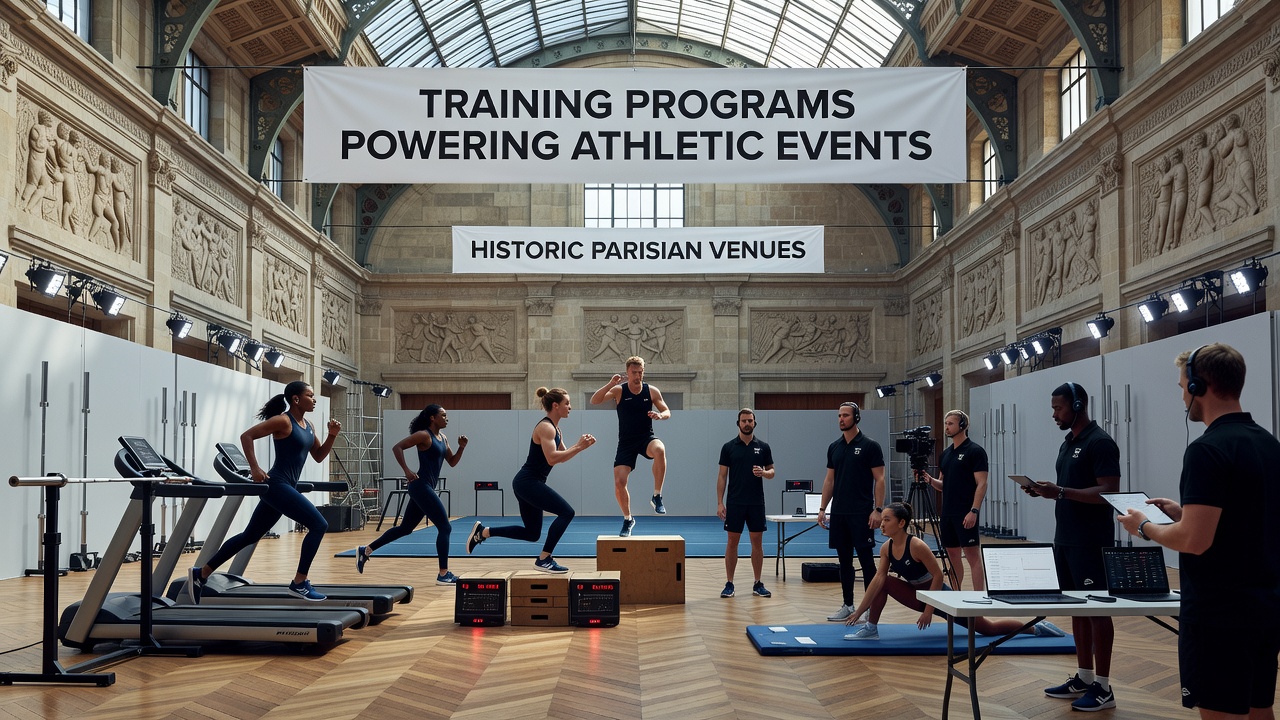
Training programs that support athletic events in historic Parisian venues combine traditional site characteristics with contemporary performance science, and these initiatives draw on resources from multiple organizations to prepare competitors for competitions that extend into 2026 and beyond. Facilities such as the Stade de France and adapted sections of the Bois de Boulogne host structured sessions where coaches integrate periodized plans, biomechanical analysis, and recovery protocols that account for the architectural constraints of older structures.
Venue Adaptations for Modern Athletic Demands
Historic sites in Paris require specific modifications before they accommodate high-intensity training blocks, and engineers install temporary flooring overlays along with sensor networks that monitor impact forces without altering original stonework or iron frameworks. Data from these installations shows that athletes maintain consistent stride patterns when surfaces receive calibrated cushioning, while ventilation systems added to enclosed halls reduce heat buildup during extended sessions that can last several hours. Observers note that such adjustments preserve cultural heritage while meeting the safety thresholds established by international sports federations.
Coaches schedule sessions around public access hours at these locations, which creates staggered training windows that maximize facility use without disrupting daily operations. One program documented by researchers at the French National Institute of Sport demonstrated that athletes who trained in these adapted spaces achieved comparable power outputs to those working in purpose-built centers, yet they also developed greater spatial awareness because of the irregular sightlines and acoustics inherent to older architecture.
Integrated Performance Support Systems
Nutrition teams coordinate with local suppliers to deliver meals that align with training cycles, and dietitians adjust macronutrient ratios based on real-time metabolic readings collected through wearable devices. Recovery protocols incorporate cryotherapy units and mobility studios positioned near training zones, which allows athletes to transition quickly between exertion and regeneration phases. Studies conducted by the Australian Institute of Sport indicate that such integrated approaches reduce soft-tissue injury rates by measurable margins when programs span multiple weeks.
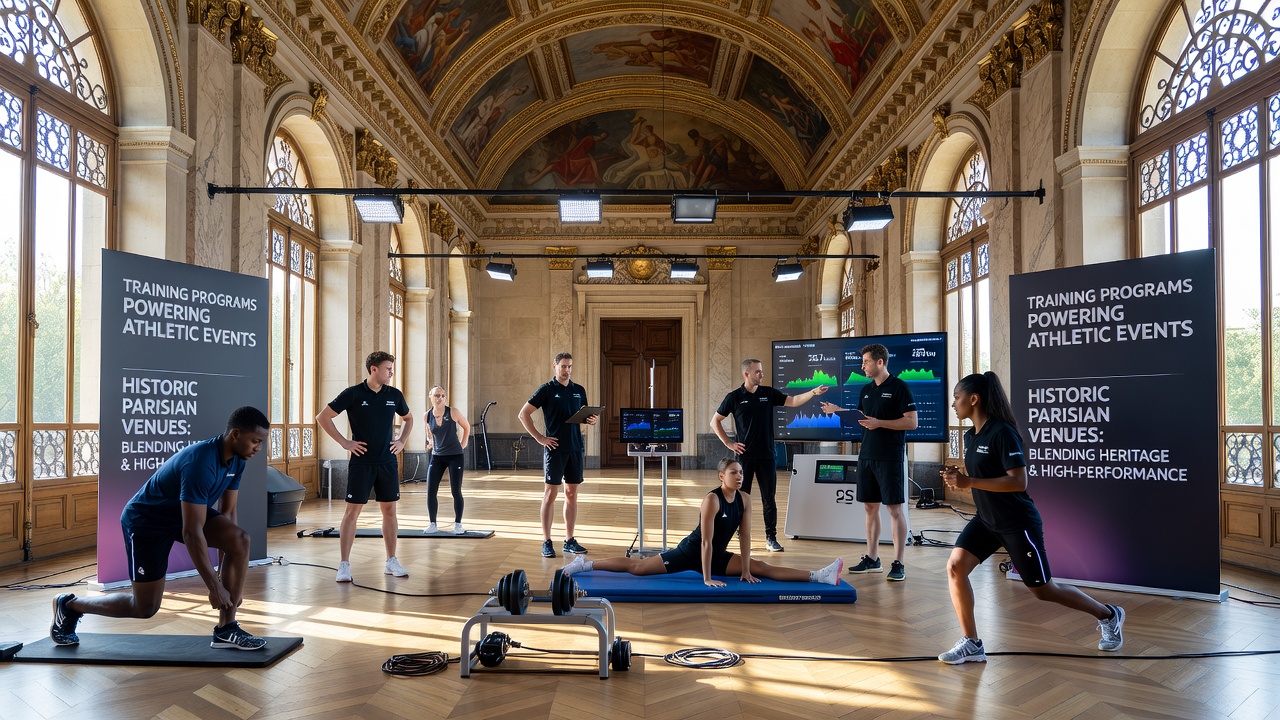
Strength and conditioning specialists employ resistance equipment calibrated for the limited floor space available in many heritage buildings, and they substitute cable machines for free-weight racks where ceiling heights prohibit overhead lifts. Video analysis software overlays movement patterns onto three-dimensional models of each venue, which helps identify adjustments needed for events that feature variable wind patterns or lighting conditions typical of open-air historic sites. Those who manage these programs report that athletes develop adaptive strategies that translate directly to competition settings scheduled later in the decade.
Preparation Timelines Leading Into 2026
Programs ramp up intensity during summer months as organizers finalize schedules for events that include international meets projected for August 2026, and periodization charts allocate specific blocks for speed development, endurance work, and tactical drills. Coordination between venue managers and national federations ensures that shared spaces remain available for both elite squads and emerging athletes, which broadens the talent pipeline feeding into major competitions. Figures released by the European Olympic Committees reveal steady increases in training hours logged at Parisian heritage locations over the past three cycles.
Medical staff conduct baseline assessments and ongoing monitoring to track cardiovascular and musculoskeletal markers, while psychologists introduce mental skills training that addresses the unique pressures of performing in venues steeped in historical significance. These layered support structures operate under guidelines issued by the French Ministry of Sports, which emphasizes evidence-based methods drawn from longitudinal studies across multiple European training centers.
Conclusion
Training programs operating within historic Parisian venues demonstrate how heritage preservation and elite performance requirements can coexist through careful planning and technological integration. Athletes who follow these regimens gain both physical conditioning and contextual familiarity that supports consistent results across upcoming athletic calendars, including those extending into 2026. Continued collaboration among federations, researchers, and venue authorities sustains the infrastructure that makes such preparation possible.