Cellar to Podium: How Repurposed Underground Spaces in the French Capital Drive Niche Training for Racket and Water Sports Enthusiasts
Écrit par Ben Schwarz · 23/8/2026
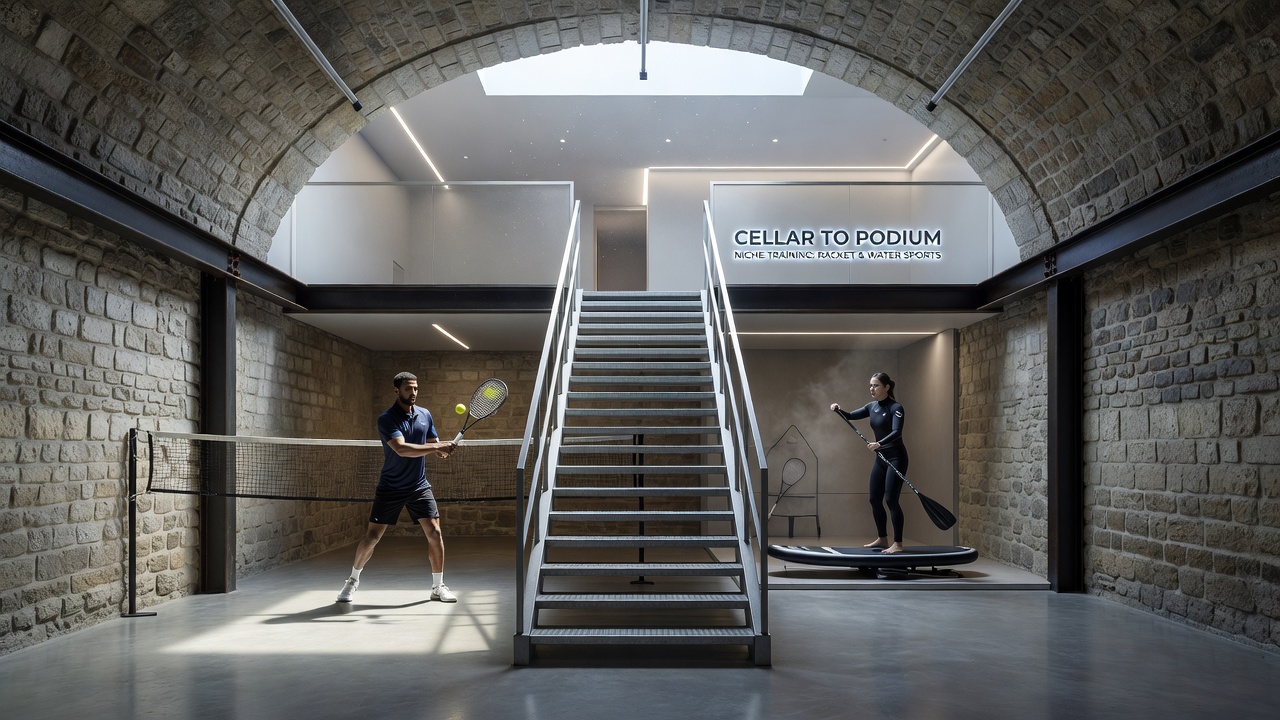
Cellar to Podium: How Repurposed Underground Spaces in the French Capital Drive Niche Training for Racket and Water Sports Enthusiasts
Paris has long repurposed its historic underground cellars and former industrial basements into specialized training venues that support niche racket and water sports programs, and these adaptations continue to expand as demand grows for targeted practice spaces in the city center. Observers note that many of these facilities occupy spaces once used for wine storage or utility infrastructure, now fitted with climate control systems, reinforced flooring, and water containment units that allow consistent year-round training without reliance on surface-level sports complexes.
Urban Redevelopment Patterns in Underground Paris
City planners and private operators have converted dozens of subterranean sites since the early 2010s, turning disused cellars beneath residential buildings and former quarries into dedicated courts and pools. Data from urban redevelopment records shows that these projects often combine racket sports infrastructure such as squash and badminton courts with compact water training zones that accommodate swimming drills, resistance work, and technical water polo sessions. The approach reduces pressure on above-ground facilities while preserving historic structures that might otherwise remain vacant.
Racket Sports Facilities Underground
Several converted cellars now house multiple squash courts with professional-grade lighting and ventilation that meet international competition standards. Training programs at these sites focus on footwork precision and shot consistency, drawing athletes who require frequent access without traveling to suburban clubs. Badminton and table tennis setups occupy adjacent chambers where ceiling height permits, and coaches schedule sessions that alternate between racket work and recovery protocols in nearby hydrotherapy areas. One study revealed that such integrated layouts shorten transition times between activities and improve overall session efficiency for competitive players.
Water Sports Training Adaptations
Underground water facilities in Paris typically feature temperature-regulated tanks ranging from 15 to 25 meters in length, designed for stroke analysis, underwater technique refinement, and breath control exercises. These pools support racket-sport athletes who incorporate swimming for cross-training and dedicated water athletes preparing for regional events. Equipment includes adjustable resistance lanes, underwater cameras, and modular starting blocks that fit the constrained dimensions of cellar footprints. Research indicates that consistent access to these controlled environments helps athletes maintain technique during periods when outdoor pools face seasonal closures or heavy public use.
Operators coordinate with local building owners to ensure structural integrity and sound insulation, addressing concerns about vibration and humidity. Ventilation systems cycle air through multiple filters while maintaining humidity levels suitable for both racket courts and water areas. Those who manage these sites report that partnerships with sports federations help standardize equipment and safety protocols across locations.
Training Programs and Athlete Pathways
Coaching staff at these venues develop modular programs that combine racket-specific drills with water-based conditioning. Sessions often begin with technical work on court followed by pool time focused on mobility and recovery. Data shows increased participation from both amateur enthusiasts and semi-professional athletes who value the central location and extended operating hours. In August 2026 several facilities plan to host intensive preparation camps ahead of upcoming national selection events, with schedules that integrate morning racket sessions and afternoon water technique blocks.
Programs also attract international visitors who combine travel with training blocks, and facility operators maintain booking systems that prioritize local club members during peak periods. Equipment suppliers deliver specialized gear such as vibration-dampening flooring and corrosion-resistant pool liners tailored to the unique environmental conditions of underground spaces.
Regulatory and Safety Considerations
French building regulations require regular inspections of load-bearing walls and waterproofing membranes in these converted spaces. Operators coordinate with authorities to meet fire safety and air quality standards, while sports governing bodies verify that training environments align with competition rules. External sources such as the French Ministry of Sports provide guidelines on facility certification, and international benchmarks from bodies like the Australian Sports Commission inform best practices for equipment calibration and athlete monitoring.
Conclusion
Repurposed underground spaces in Paris continue to support specialized training for racket and water sports through adaptive infrastructure and coordinated programming. These facilities demonstrate how historic cellars can meet modern athletic requirements while contributing to efficient urban land use. As preparations advance toward events scheduled for August 2026, the network of cellar-based venues remains an active component of the city's sports landscape, offering consistent access to niche training environments for dedicated participants.