How Art Deco Architecture Shapes Specialized Fitness Routines for Cyclists and Swimmers in Select Parisian Districts
Écrit par Ben Schwarz · 13/9/2026
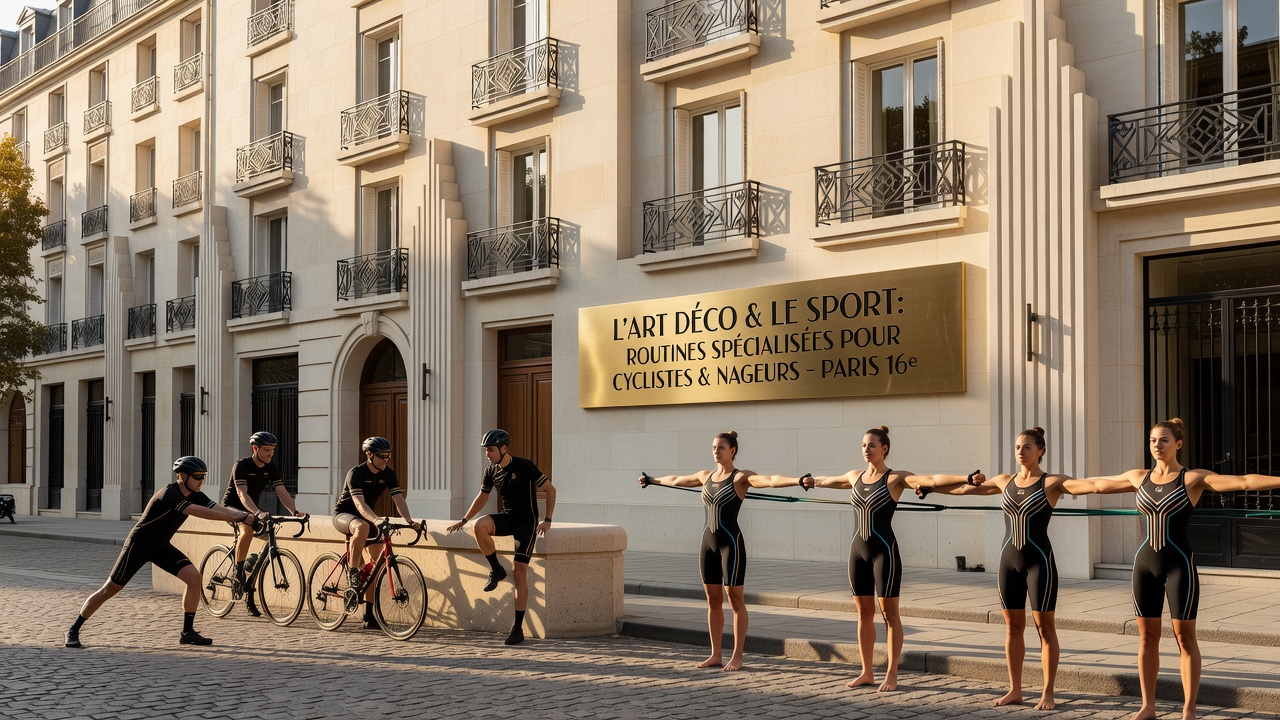
How Art Deco Architecture Shapes Specialized Fitness Routines for Cyclists and Swimmers in Select Parisian Districts
Art Deco structures across districts such as the 16th and 7th arrondissements feature geometric lines, streamlined forms, and symmetrical layouts that training programs now incorporate into cycling drills and swimming sets, with facilities like adapted pools and nearby boulevards providing the physical framework for these routines since the early 20th century when the style first appeared in public buildings.
Researchers at institutions including the University of Sydney have documented how the repetitive patterns in Art Deco facades align with interval timing for cyclists who pedal along routes lined with such buildings, creating visual markers that guide cadence changes without additional equipment, while swimmers in renovated basins use the same motifs reflected in water to maintain stroke rhythm during endurance sessions.
Art Deco Elements in Parisian Districts
Parisian neighborhoods including parts of the 8th and 16th arrondissements retain numerous examples of Art Deco design from the 1920s and 1930s, where curved balconies, chevron motifs, and polished stone surfaces appear in former public baths and sports halls that local authorities have converted for modern use, and these features now dictate the spatial arrangement of training zones inside the structures.
Data from the European Commission's cultural heritage reports show that over 40 such buildings in central districts underwent preservation work between 2018 and 2024, preserving original proportions that allow coaches to set distances for lap swimming and track cycling segments based on the building's inherent symmetry rather than arbitrary measurements.
Adaptations for Swimmers
Swimming routines in these venues often follow the vertical emphasis of Art Deco columns and horizontal banding on walls, with athletes performing sets that match the height ratios of the architecture through breath counts and turn frequencies, and this approach appears in programs at sites like the restored pools near the Trocadéro where water surfaces mirror the geometric ceiling details overhead.
Coaches divide sessions into phases that echo the stepped setbacks typical of the style, starting with shorter sprints aligned to narrow decorative bands and progressing to longer pulls that correspond with broader structural elements, while the reflective materials common in Art Deco interiors help maintain visibility for technique corrections during group workouts.
Training Methods for Cyclists
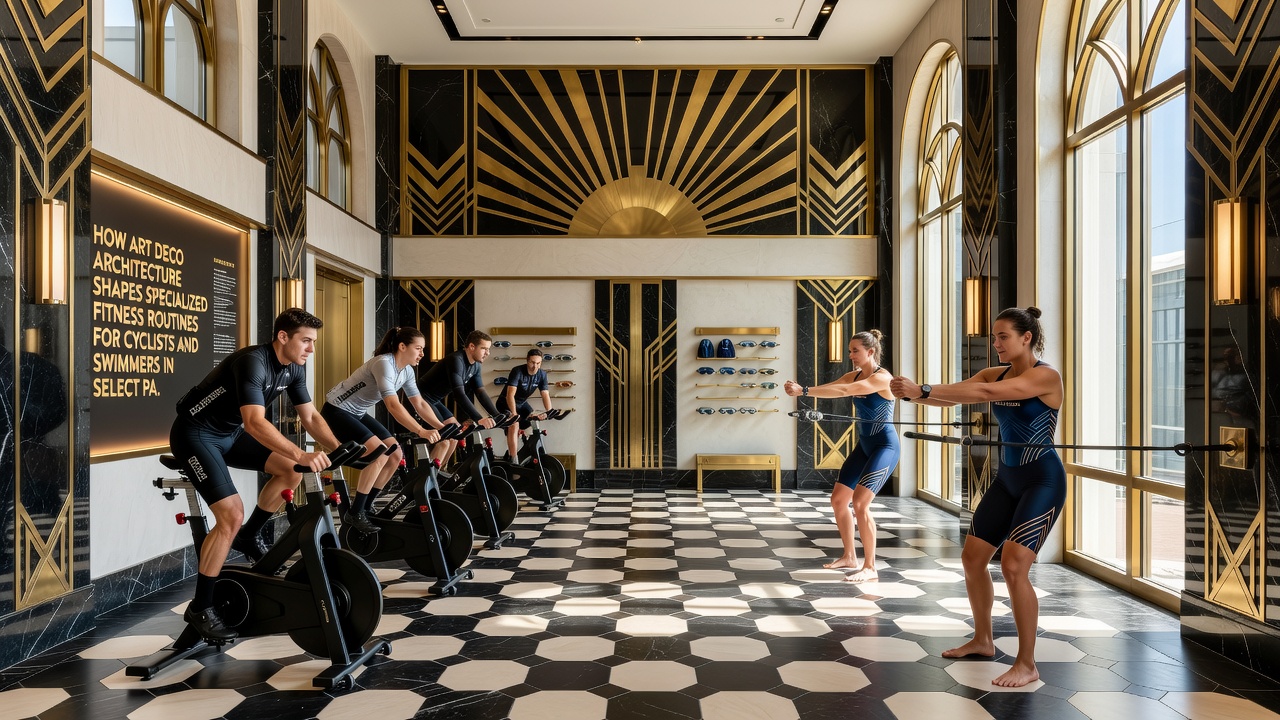
Cyclists in the same districts integrate nearby Art Deco boulevards into route planning, where the linear perspectives created by aligned windows and doorways serve as natural pacing guides during tempo rides, and programs organized through municipal sports departments schedule group outings that begin at these landmarks in the morning hours before traffic increases.
Studies from the Canadian Fitness and Lifestyle Research Institute indicate that visual cues from historic architecture can improve adherence to structured intervals, and cyclists report using the distance between repeated decorative elements as proxies for 200-meter or 500-meter efforts without relying on electronic devices for every segment.
Combined Programs and September 2026 Developments
Combined cyclist and swimmer sessions take place in districts where Art Deco pools sit within a short distance of cycling paths, allowing athletes to alternate between water work and road segments that both draw on the same design language for structure, and municipal schedules list these hybrid activities as part of ongoing public health initiatives that run year-round.
Plans announced for September 2026 include expanded access to select Art Deco sites for specialized groups, with new lighting installations that highlight geometric patterns during evening sessions to extend usable training hours while preserving the original aesthetic details, and these updates build on existing partnerships between heritage offices and sports federations.
Conclusion
The integration of Art Deco architecture into fitness routines for cyclists and swimmers continues through measurable adaptations in districts that retain these buildings, with ongoing preservation efforts and scheduled expansions in 2026 ensuring the style remains a functional element in training design rather than a static backdrop, and available records from government and academic sources confirm the practical applications observed across multiple facilities.