Parisian Neighborhoods Converting Former Industrial Sites Into Multi-Sport Hubs for Mixed Team and Solo Training
Écrit par Sofia Lang · 25/8/2026
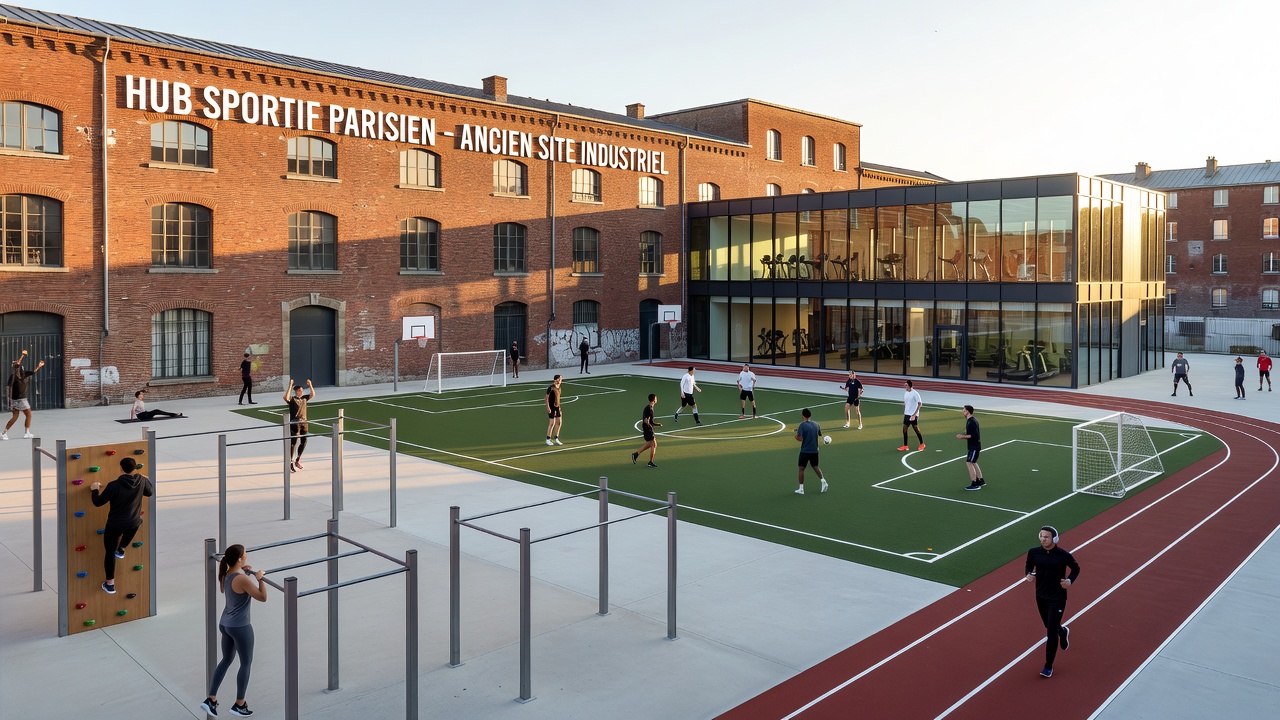
Parisian Neighborhoods Converting Former Industrial Sites Into Multi-Sport Hubs for Mixed Team and Solo Training
Parisian neighborhoods have turned several former industrial sites into multi-sport hubs that support both team-based activities and individual training sessions, and observers note this shift aligns with broader urban redevelopment patterns across the city. Data from city planning records shows that areas once dominated by factories and warehouses now feature adapted spaces for basketball, volleyball, climbing walls, and fitness circuits, while researchers at local universities have documented how these conversions accommodate mixed-use schedules throughout the year.
Industrial Sites Find New Purpose in Key Districts
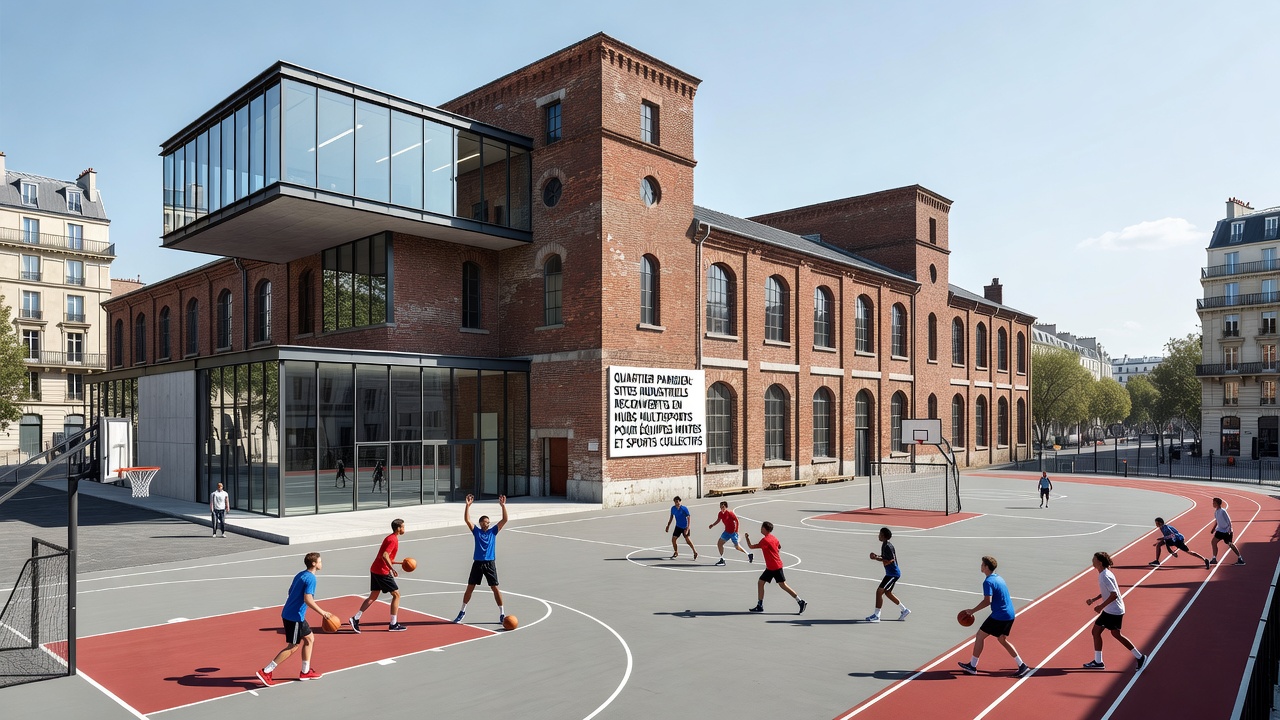
Neighborhoods such as the 13th and 19th arrondissements have led these changes because many disused rail yards and manufacturing plants sit near residential zones, and city officials have repurposed the structures to include indoor courts alongside outdoor fields. According to municipal reports, at least eight such sites opened between 2022 and 2025, each offering zones for group drills in soccer or handball while also providing lanes for solo runners and cyclists who use converted conveyor tracks for interval work.
Those who manage the facilities report that the large open floor plans from the original buildings allow flexible partitioning, so one section might host a five-a-side tournament while another area runs yoga or strength classes at the same time. Figures from the Paris Urban Planning Agency reveal that these adaptations have increased available training square meters by roughly 15 percent in affected districts, and the same data tracks steady usage rates across age groups and skill levels.
Training Programs Blend Team and Solo Formats
Coaches and program coordinators have designed schedules that mix team practices with individual sessions, which helps maximize space during peak hours. For example, morning blocks often focus on solo endurance work on repurposed loading docks, whereas evenings shift to coordinated drills for mixed-gender teams in basketball or badminton. Studies conducted by the University of Paris-Saclay indicate that participants who combine both formats show measurable improvements in coordination and recovery metrics, based on tracking data collected over multiple seasons.
Equipment upgrades include modular flooring that switches between hard courts and padded surfaces, and lighting systems that adjust for different activity intensities. Observers note that these technical features reduce downtime between sessions, allowing continuous operation from early morning through late evening without major resets.
August 2026 Preparations and Scheduled Events
City documents list several multi-sport hubs as venues for training camps scheduled in August 2026, when international federations plan pre-competition sessions ahead of regional qualifiers. Organizers have reserved blocks for both team sports such as volleyball and solo disciplines including track elements on adapted indoor tracks, and the timeline aligns with summer maintenance cycles that keep the sites in optimal condition. Government updates from the French Ministry of Sports confirm that these hubs will integrate with larger citywide events, providing overflow capacity when primary stadiums reach capacity.
Community Access and Usage Patterns
Access policies require advance booking through a centralized digital platform, and usage statistics show higher demand for evening team slots compared with midday solo periods. Research from the European Institute for Urban Development highlights that neighborhoods with these hubs report increased physical activity levels among residents within a one-kilometer radius, with data collected through wearable device partnerships. Local sports associations coordinate with site managers to run introductory workshops that introduce newcomers to both group and independent training options.
Maintenance crews follow standardized protocols that preserve original architectural elements such as exposed beams and brickwork while ensuring safety compliance for all activity types. These approaches keep operational costs manageable, according to budget reports released by the City of Paris.
Conclusion
Parisian neighborhoods continue to expand the number of former industrial sites adapted for multi-sport use, and the pattern supports both team coordination and solo skill development through shared infrastructure. Records indicate sustained interest ahead of August 2026 events, with facilities already integrated into broader training calendars. Additional sites under review follow similar conversion models, drawing on the same combination of space planning and equipment flexibility that has proven effective in existing hubs.