Seine River Kayak Clubs: How Historic Waterways Fuel Specialized Training for Solo Paddlers and Relay Teams
Écrit par Jonas Hansen · 30/8/2026
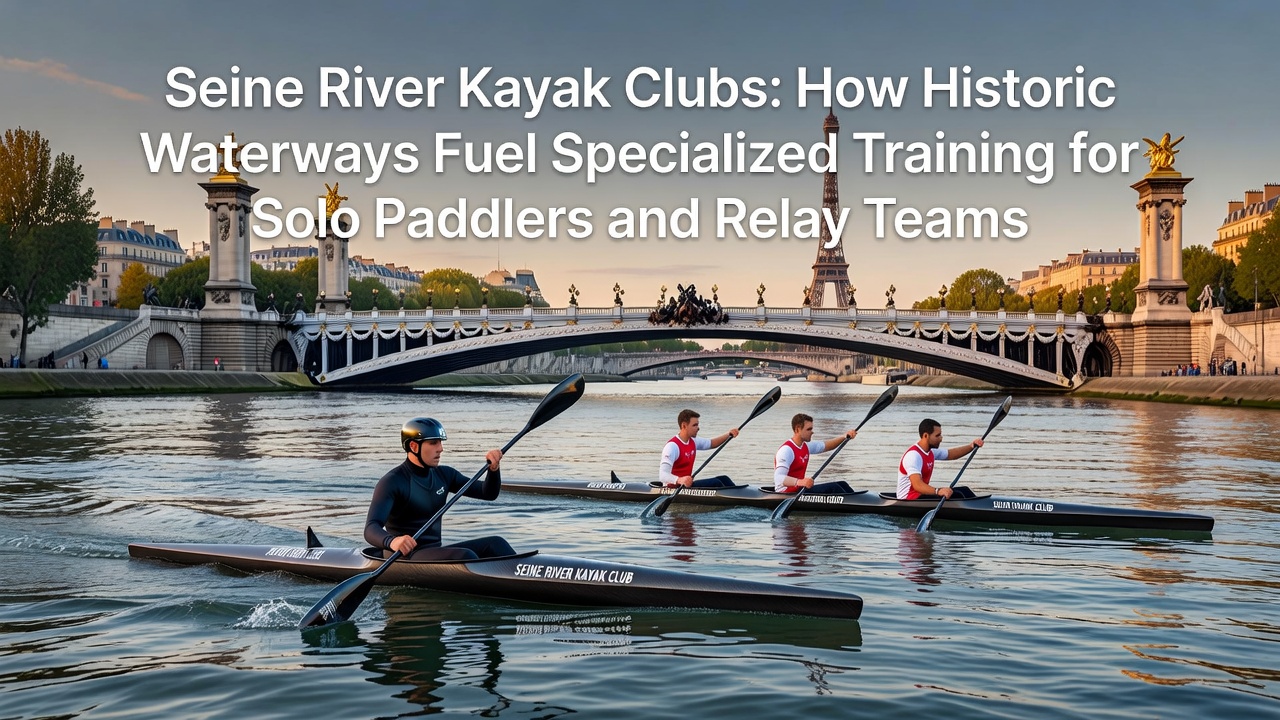
Seine River Kayak Clubs: How Historic Waterways Fuel Specialized Training for Solo Paddlers and Relay Teams
Seine River kayak clubs maintain long-standing operations along the waterway that cuts through central Paris and extends into surrounding regions, and these organizations structure their programs around the river's consistent flow patterns and urban infrastructure to develop skills in both individual and group formats. Clubs such as those affiliated with the French Canoe and Kayak Federation operate from multiple access points including the Bassin de la Villette and areas near the Pont de l'Alma, where members conduct daily sessions that integrate navigation around fixed bridges and variable current zones created by locks and tributaries.
Development of Club Infrastructure Along the Seine
Early 20th-century records show kayak activity on the Seine beginning with recreational groups that later formalized into competitive clubs, and these entities expanded facilities in the postwar period by constructing boathouses and training docks that remain in use today. Data from regional sports authorities indicate that at least eight active clubs now hold permits for Seine access, each maintaining fleets of single and multi-person kayaks suited for endurance work and technical drills. The river's historic alignment through the city provides fixed reference points such as monuments and embankments that paddlers use for distance calibration and turning practice, while water levels managed by the Voies Navigables de France authority create predictable training conditions year-round.
Specialized Training Protocols for Solo Paddlers
Solo paddlers at Seine clubs follow progressive programs that begin with basic stroke mechanics on calmer upstream sections and advance to timed intervals that account for downstream currents and boat traffic schedules, and these sessions often incorporate video analysis at club facilities to refine paddle entry angles and torso rotation. Training logs maintained by club coaches document how individuals log distances between specific landmarks like the Île de la Cité and the Pont Alexandre III, which helps build endurance while navigating commercial barge routes and recreational zones. Research from French sports science institutes shows that river-based solo training improves proprioception compared with flatwater sessions alone because paddlers must constantly adjust for wind shear off building facades and subtle eddies near bridge piers.
Relay Team Dynamics and Coordination Drills
Relay teams train in synchronized formats that require precise timing during handoff maneuvers conducted on the water, and clubs designate specific Seine stretches for these exchanges to simulate race conditions where boats maintain speed without stopping. One documented approach involves four-person teams completing looped segments between the Louvre embankment and the Musée d'Orsay dock, with each paddler focusing on maintaining stroke cadence while monitoring teammate positioning through verbal and visual signals. Figures from the French federation reveal that relay-specific workouts on the Seine have increased in frequency since 2024, coinciding with continued legacy programs from the Paris Olympic canoeing events that used nearby basins for warm-up and recovery training.
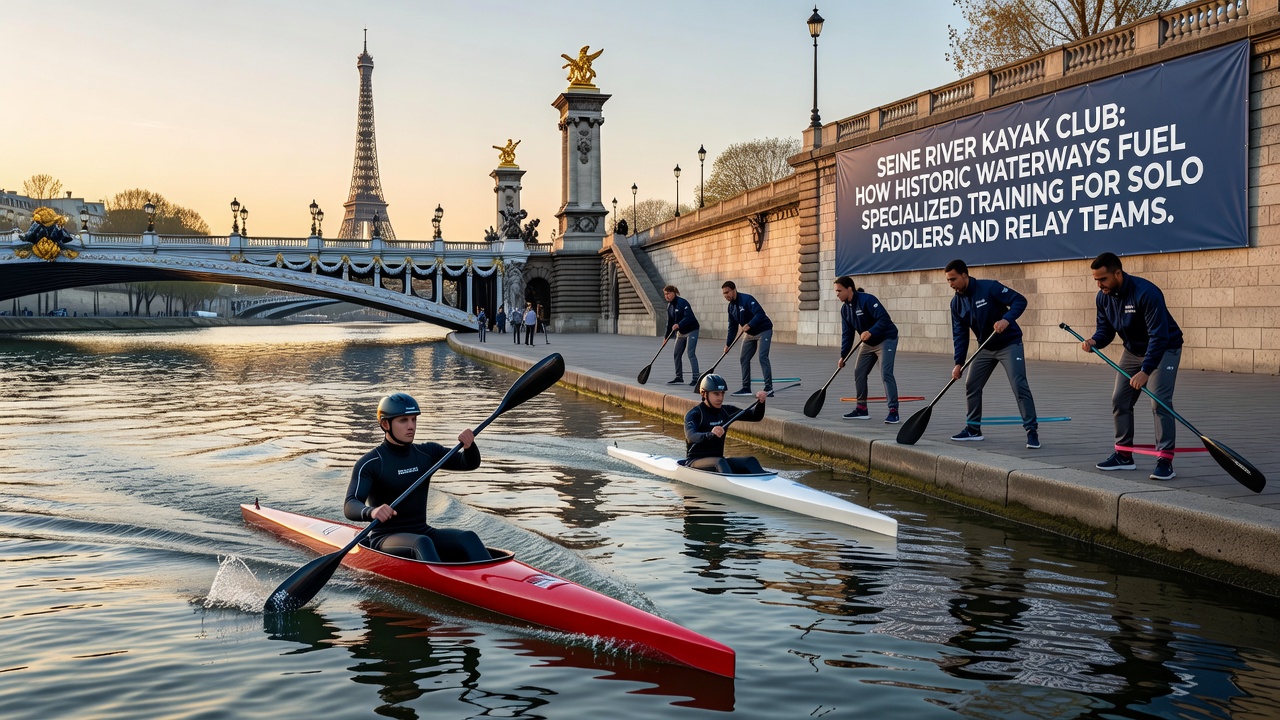
Coaches emphasize that the Seine's width variations allow teams to practice both tight formation paddling in narrower channels and open-water spacing near wider reaches such as the stretch toward Charenton, and these conditions help develop the spatial awareness required in international relay competitions. August 2026 marks the period when several Seine clubs schedule intensified relay camps ahead of European qualification events, with sessions timed around reduced commercial traffic on weekends to maximize continuous training blocks.
Integration of Historic Features Into Modern Training
The Seine's centuries-old engineering elements, including the canal locks and arched bridges, serve as built-in obstacles that clubs incorporate into technique sessions, and paddlers learn to read water movement around these structures to improve boat control during turns and overtakes. Observers note that clubs document how training near the historic quays builds familiarity with low-light conditions for evening sessions, since many landmarks remain illuminated and provide consistent visual cues. Data collected by the Paris regional sports council indicates that clubs using these historic segments report higher retention rates among intermediate paddlers because the varied scenery reduces monotony during long endurance sets.
Programs also reference archival maps of the river's pre-industrial course to explain current flow dynamics, helping athletes understand how past modifications influence today's training environment. External studies from the European Canoe Association highlight how urban rivers like the Seine offer unique advantages for mixed solo and team training compared with dedicated artificial courses, primarily through constant exposure to real-world variables such as wake from passing vessels.
Conclusion
Seine River kayak clubs continue to leverage the waterway's established infrastructure and historic modifications to deliver targeted training for solo paddlers and relay teams, and these programs operate within a framework supported by national federation standards and local authority oversight. Ongoing sessions through 2026 maintain focus on adapting traditional river features to contemporary performance requirements, with clubs coordinating access schedules to balance training needs against commercial navigation demands. This approach sustains a direct connection between teh river's physical characteristics and the specialized skills developed by participants at each club location.